

- Quick Answer (TL;DR)
Getting your home ready for winter often means more than raking leaves. Garage and basement cleanouts, yard work, outdoor furniture removal, deck and fence tear-outs, roofing projects, remodeling, and whole-home decluttering can all generate significant amounts of debris. The biggest mistake is planning disposal one project at a time instead of looking at everything you want finished before winter. Pack Mule offers roll-off dumpsters in several capacities and recommends considering both debris volume and material weight when choosing a container.
Ready to clear the property before winter? Visit Pack Mule Dumpsters and plan your cleanup before the piles start growing.
Why a Few Fall Projects Can Create One Very Big Cleanup
A garage cleanout does not sound related to trimming shrubs.
Replacing a few damaged deck boards does not sound related to clearing the basement.
And getting rid of an old patio set certainly does not sound like a remodeling project.
But all of that debris may need to leave the property within the same few weeks.
That is where a fall home cleanup gets underestimated.
Different projects also create very different waste. Branches consume space awkwardly. Furniture is bulky. Roofing material is dense. Remodeling debris can include drywall, flooring, cabinets, lumber, tile, and fixtures. Pack Mule’s own service guidance separates these project types because volume, weight, and material restrictions can change how the load should be handled.
“Getting your home ready for winter can create more debris than expected when several projects happen at once. Plan for the full cleanup—not just one task—so disposal does not become the part that slows everything down.”
- — Todd Atkinson

7 Pre-Winter Projects That Can Fill a Dumpster Faster Than Expected
1. Cleaning Out the Garage
Fall is a natural time to reclaim garage space before vehicles, snow equipment, and winter supplies need room.
The problem? Garages are very good at hiding clutter.
Boxes, old furniture, sporting equipment, shelving, lawn tools, decorations, and forgotten household items can occupy far more dumpster space once everything is pulled into the open.
Pack Mule specifically handles common garage-cleanout materials such as old tools, furniture, sporting gear, and general household junk, while fuels, oils, and other hazardous materials require different handling.
2. Clearing the Basement or Other Storage Areas
Once the garage is underway, homeowners often decide to keep going.
The basement, attic, spare room, or storage area may contain old furniture, mattresses, boxes, rugs, clothing, appliances, decorations, and years of accumulated belongings.
That can turn a simple decluttering weekend into a substantial home cleanout.
Pack Mule’s home cleanout dumpster rental guidance lists furniture, mattresses, boxes, household goods, rugs, appliances, and general clutter among commonly accepted cleanout materials, subject to restrictions.
3. Tackling Leaves, Branches, Brush, and Landscaping Debris
Leaves themselves may not seem intimidating.
Add branches, shrubs, pulled plants, grass clippings, mulch, sod, and landscaping debris, however, and the pile changes quickly.
Pack Mule accepts a range of organic landscaping debris through its yard waste dumpster rental service. The company also cautions that soil and sod are heavy, and certain materials—including concrete, brick, tires, hazardous chemicals, and some non-yard waste—should not simply be mixed into a yard-waste load without checking first.
4. Removing Old Patio Furniture and Outdoor Items
Cold weather often exposes which outdoor items are not worth storing for another year.
Old tables, chairs, broken planters, worn outdoor décor, storage pieces, play equipment, and other bulky items can consume dumpster capacity faster than a pile of small household junk.
This is where cubic space matters. A relatively lightweight object can still occupy a large portion of a container if it cannot be safely broken down.
Before ordering, identify the largest objects first rather than estimating the project by item count alone.
5. Tearing Out an Old Deck or Fence
Deck and fence removal produces long, awkward debris: boards, rails, posts, hardware, panels, and sometimes concrete footings.
Pack Mule notes that deck and fence tear-outs can generate sizable piles quickly and advises customers with older treated lumber or significant concrete footings to check disposal requirements before loading.
If an aging exterior structure is already scheduled for removal, handling it before winter can easily turn a general property cleanup into a much larger disposal project.
6. Completing Roofing Repairs or a Roof Tear-Off
Roofing debris creates a different challenge.
It gets heavy.
Asphalt shingles, underlayment, nails, flashing, and damaged decking can create a dense load even when the container still appears to have physical space remaining. Pack Mule treats roofing debris as a specialized heavy-load application and asks customers to plan around the roofing job rather than assuming standard household-cleanout rules apply.
If roofing work is part of your winter preparation, discuss that material specifically when arranging the rental.
7. Finishing a Kitchen, Bathroom, or Interior Remodeling Project
Trying to finish one last renovation before the holidays or cold weather?
Demolition waste adds up quickly.
Pack Mule lists drywall, lumber, flooring, cabinets, countertops, vanities, fixtures, carpet, tile, trim, and similar materials among common renovation debris. It also warns that asbestos-containing materials, hazardous coatings, certain paints, and other potentially hazardous materials require additional attention.
A small room does not always equal a small debris pile. Removing what is already installed can create surprising volume before the new materials even enter the house.
How to Plan a Winter Home Cleanup Dumpster
The simplest approach is to stop thinking about each project separately.
Walk the entire property first.
Write down every project you realistically expect to complete while the dumpster is there. Then classify the debris.
Think About Volume
Furniture, branches, fencing, shelving, and outdoor items may consume a great deal of physical space.
Think About Weight
Roofing material, soil, concrete, brick, tile, and other dense materials can create weight concerns before the container looks full.
Think About What Can Be Mixed
Do not assume every project belongs in one mixed load. Pack Mule advises customers to identify dense materials such as concrete, dirt, brick, and asphalt before booking so the appropriate loading plan can be confirmed.
Think About the Entire Project List
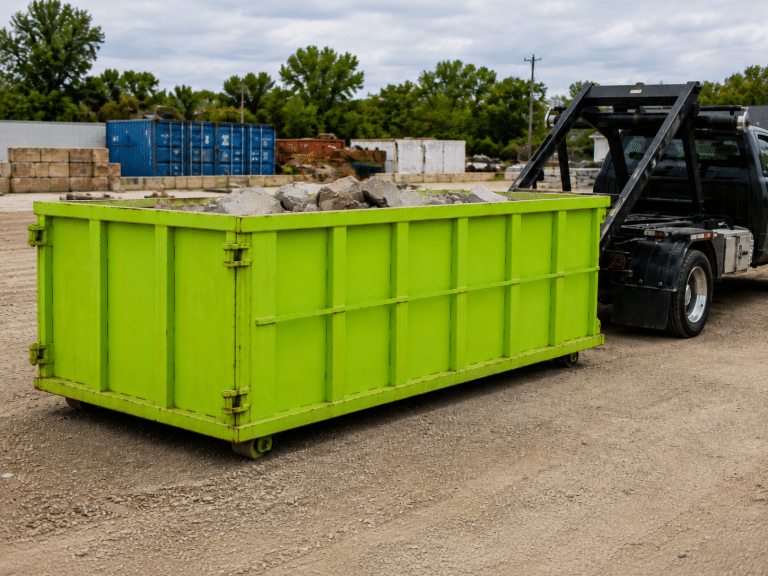
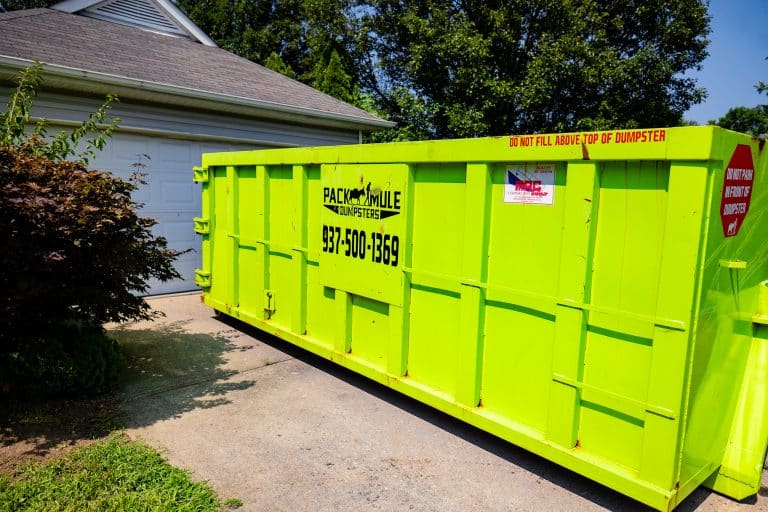
Pack Mule’s standard lineup currently includes 14-, 20-, 25-, 30-, and 40-yard roll-off dumpsters, plus a dedicated 15-yard clean-concrete option. Customers can compare dumpster sizes according to debris volume and material type.
Actionable Steps to Keep More Dumpsters Moving This Fall
#1 Create a Master Cleanup List
Make one master list of everything you expect to remove.
#2 Identify Bulky Items
Identify large furniture, branches, deck boards, fencing, and other bulky items.
#3 Separate Heavy Materials
Separate dense materials such as roofing debris, soil, concrete, brick, and tile from lighter cleanup material.
#4 Check Disposal Restrictions
Check disposal restrictions before loading chemicals, fuels, paints, tires, appliances, or questionable materials.
#5 Break Down Items When Possible
Safely break down boxes, furniture, shelving, and other appropriate items when possible.
#6 Plan for Extra Projects
Account for projects you may decide to tackle once cleanup begins.
#7 Choose the Right Capacity
Choose capacity based on the complete project—not the first pile you see.
When One Full Dumpster Starts Delaying Every Other Project
The snowball effect often begins quietly.
The garage takes more room than expected.
Then the yard cleanup starts.
The old patio furniture goes in.
Now there is still a basement to clear and half a deck sitting in the backyard.
When disposal capacity is underestimated, debris starts competing for space. The container fills earlier than planned. Materials may be left sitting in the driveway or yard. Another haul or container may be needed before work can continue.
The dumpster fills sooner than expected
Garage junk, yard debris, furniture, and demolition material begin competing for limited container space.
The rest of the cleanup gets delayed
Debris gets left in the driveway or yard while another haul or container is arranged before work can continue.
Heavy debris changes the equation
Roofing, soil, concrete, and renovation debris can create weight problems even when the dumpster still appears to have room.
Plan the complete job before choosing
Identify bulky and heavy materials, confirm what can be combined, and leave room for unexpected items that appear during cleanup.
Weight can create a similar problem. Heavy roofing, soil, concrete, or renovation debris should not be treated the same way as boxes, furniture, or branches simply because there appears to be room remaining.
What started as seven manageable winter preparation projects can become one frustrating cleanup bottleneck.
Planning the complete job first changes that.
Identify the bulky materials. Flag the heavy materials. Confirm what can be combined. Then choose capacity with some room for the unexpected items that almost always appear once shelves, sheds, basements, and garages start getting emptied.
- Key Takeaway
- Getting a home ready for winter can generate far more debris when several fall projects happen at the same time.
- Garage and basement cleanouts, landscaping, outdoor-item removal, deck and fence tear-outs, roofing, and remodeling all create different combinations of volume and weight.
- Plan the entire project list before renting instead of estimating one cleanup at a time.
- Matching the container to both the amount and type of debris can help prevent overfilling, extra hauling, and delays.
Get the Property Cleared Before Winter Arrives
Winter preparation is easier when debris leaves the property as quickly as the projects are completed.
Pack Mule Dumpsters is headquartered in Miamisburg and lists additional locations serving Dayton and the Cincinnati area. Its service network extends throughout the Dayton-Cincinnati corridor and includes Springfield, Springboro, Centerville, Kettering, Beavercreek, Mason, West Chester, Hamilton, Lebanon, Troy, Xenia, and many surrounding Ohio communities.
Whether your pre-winter list includes a home cleanout, landscaping work, exterior demolition, remodeling, or several projects at once, start by estimating the complete debris load.
Visit Pack Mule Dumpsters to choose your container and get your fall property cleanup moving before winter weather settles in.
Ready to Turn Your Website Into a 24/7 Revenue Machine?
Request a demo today and see how BinBoss can transform your business.
Frequently Asked Questions
What fall projects usually create the most dumpster debris?
Whole-home cleanouts, garage and basement cleanouts, major landscaping work, deck or fence removal, roofing tear-offs, and interior renovations can all produce substantial debris. Projects involving bulky or dense materials can fill available capacity particularly quickly.
Can yard waste and household junk go in the same dumpster?
Pack Mule says light mixing may be permitted in some yard-waste situations, but restrictions still apply. Hazardous materials, tires, concrete, and other restricted debris should not be added without confirming the appropriate disposal method first.
What size dumpster do I need for fall home cleanup?
The appropriate size depends on the total debris volume, material type, and weight. Pack Mule currently offers standard 14-, 20-, 25-, 30-, and 40-yard options and recommends evaluating both volume and weight before choosing.
Can I use one dumpster for several home projects?
Potentially, provided the materials are compatible with the rental’s disposal rules and weight requirements. Tell Pack Mule everything you plan to load—especially roofing, dirt, concrete, brick, asphalt, or other dense materials—before booking.
When should I rent a dumpster for winter preparation?
Arrange the dumpster before demolition or major cleanup begins so debris has somewhere to go immediately. Pack Mule advertises same-day delivery in many service areas when inventory and timing allow, but availability depends on the delivery address and container size.